Publishing and Copyrights are owned by Shannon Harris of Audio Pharmacology™ and Frequency As A Pharmacy 2025.
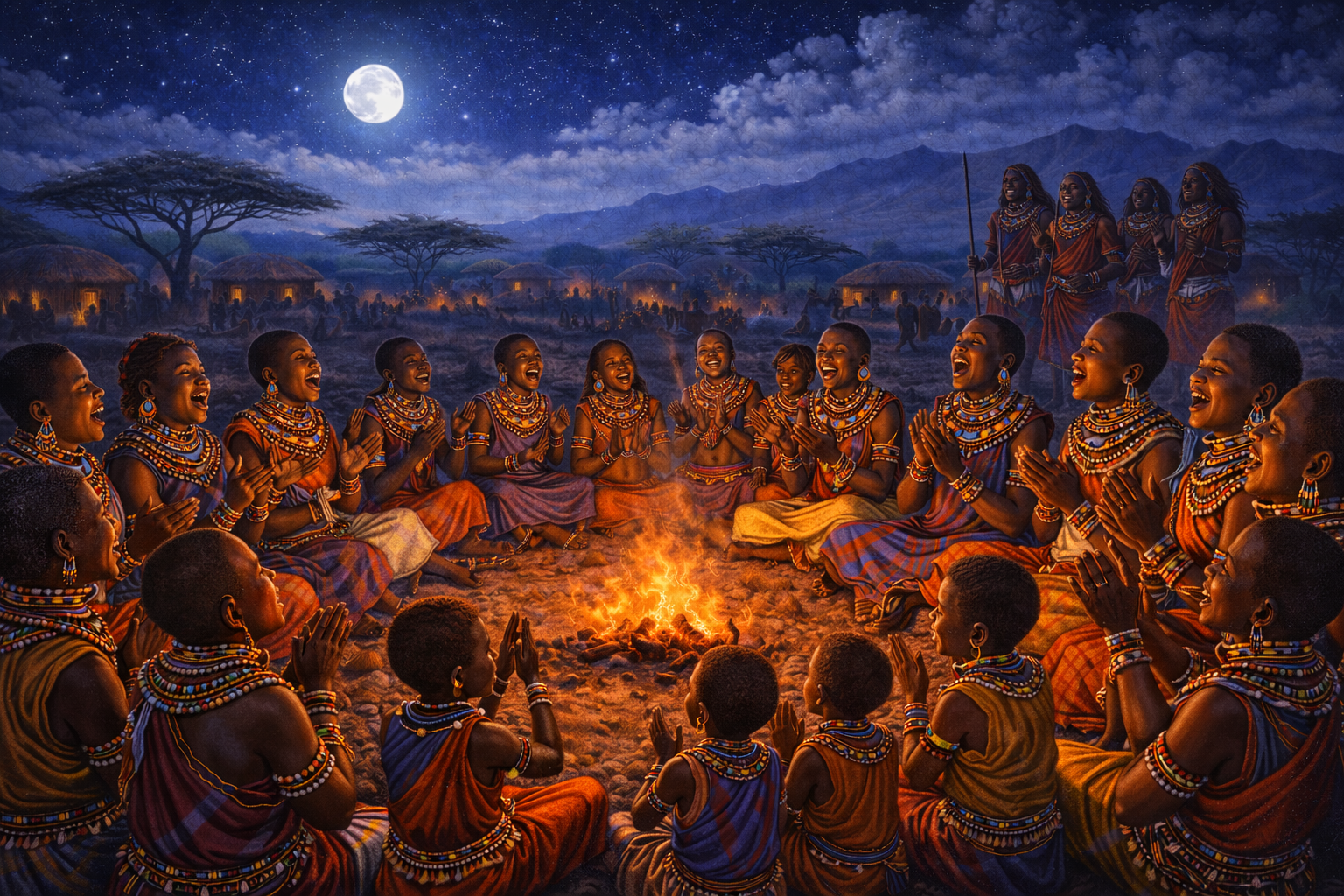
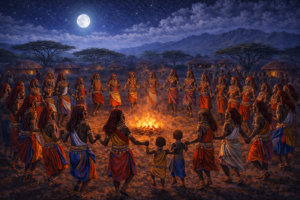
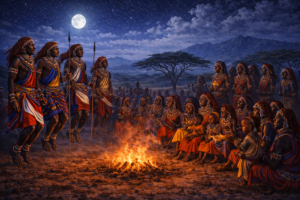
Samburu Community Camp Fire Lkuronkoi Song 1
Lkuronkoi (Courage Songs) – Doldol Laikipia
Samburu songs sung by campfires or at the watering holes are often called “Singing Wells” songs, where specific family chants call their cattle, but they also have names for different types like Ntemer (mockeries), Lkuronkoi (courage), and Mparinkoi (anthem) for various occasions, reflecting their rich oral traditions in events like rites of passage or daily chores.
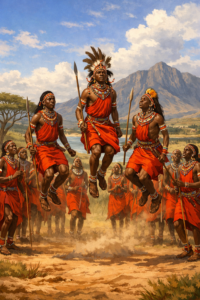
- Singing Wells (For Livestock): These unique songs are sung by warriors as they dig for water, with cows recognizing their family’s specific melody to come and drink.
- Mparinkoi (The Anthem): A song expressing pride in past achievements, sometimes called the Samburu Anthem.
- Lkuronkoi (Courage Songs): Performed to instill courage, often related to jungle experiences or bravery.
- Lebarta (Motivational Songs): Used during rites of passage to encourage individuals.
- Ntemer (Mocking Songs): Songs used to mock people, often between men and women.
- Saayia lekiya (Exaggeration Songs): For telling stories with dramatic flair.
These songs are a vital part of Samburu culture, used for everything from guiding cattle and celebrating victories to passing down history and even for social commentary, often performed without instruments around fires or at the communal wells.
Health Benefits
Listening to tribal music offers profound benefits, promoting emotional healing, stress reduction, and spiritual connection through rhythmic drums, flutes, and chants that calm the nervous system, foster belonging, and help process trauma, leading to better mood, focus, and a sense of wholeness, impacting the mind and body by reducing anxiety and enhancing physical and mental well-being.
Mind & Emotional Benefits:
- Stress & Anxiety Relief: Rhythmic patterns and nature sounds in tribal music help shift your brain from “fight-or-flight” to “rest-and-digest,” reducing cortisol and promoting calm.
- Emotional Expression & Healing: Music provides an outlet for grief, trauma, and loss, fostering support and connection within communities.
- Spiritual & Ancestral Connection: Indigenous music often connects listeners to heritage, spiritual practices, and a sense of interconnectedness, promoting inner peace.
- Improved Mood & Focus: Uplifting tracks and focused rhythms can improve outlook, boost motivation, and help quiet the mind for better concentration.
Body & Physical Benefits:
- Pain Management: Music can modulate pain responses in the brain, potentially alleviating pain from medical procedures or chronic conditions.
- Physical Relaxation: The sounds, especially from instruments like flutes, can support breathwork, relaxation, and overall physical wellness.
- Promotes Wholeness: The harmonious sounds can help address fragmentation in the self, restoring a sense of wholeness, notes a study on shamanic music.
How it works:
- Sacred Sound: Traditional healing uses music’s sound vibrations for physical and spiritual balance.
- Rhythm & Repetition: Drumbeats and chants can create meditative states, helping listeners find their core self.
- Instrument-Specific Power: Instruments like the Native American flute are used in therapy for breath control, emotional expression, and conditions like anxiety and hypertension.





Comment