Publishing and Copyrights are owned by Shannon Harris of Audio Pharmacology™ and Frequency As A Pharmacy 2025.

Water Waves Therapy
AmbientAnxietyEasy ListeningEmotional BalanceEnergyMeditationMental HealthNatureRelaxationSleepStressStudyTai ChiYoga08:082025
Straight from the Strait of Georgia
Research confirms that listening to ocean waves has demonstrable benefits for mental and physical health, largely by activating the body’s relaxation response. The therapeutic effect is so reliable that recorded ocean sounds are often used in clinical settings and sound therapy.
Mental health benefits
- Reduces stress and anxiety: The sound of ocean waves can activate the parasympathetic nervous system, which promotes a state of calm and relaxation. It helps to decrease the activity of the amygdala, the part of the brain responsible for processing fear and stress responses. One study found that 20 minutes of ocean sounds decreased cortisol (the stress hormone) by up to 30% compared to urban noise.
- Boosts mood: The rhythmic, non-threatening sounds of the ocean cue the brain to a state of safety and security. This can increase feel-good neurochemicals like dopamine and oxytocin, which enhance feelings of well-being and happiness.
- Promotes mindfulness: The consistent, gentle ebb and flow of the ocean waves can induce a meditative state. It captures your attention in a way that allows you to clear your mind of worries and focus on the present moment.
- Enhances creativity: By helping the brain enter a calm, focused state, ocean sounds can lead to a state of “soft fascination” that allows for fresh perspectives and inspiration.
Cognitive and physiological benefits
- Improves sleep quality: Ocean sounds are a form of “pink noise,” which contains all audible frequencies but with more power in the lower frequency range. This masks disruptive, abrupt noises from the outside world, creating a consistent soundscape that can help you fall into a deeper, more restful sleep.
- Lowers blood pressure and heart rate: Multiple studies have found that listening to natural water sounds can significantly reduce physiological signs of stress, including heart rate, blood pressure, and respiratory rate.
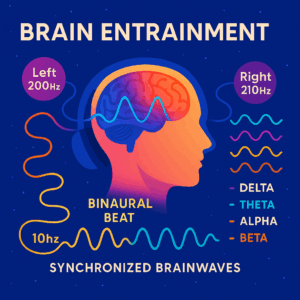
- Encourages brainwave changes: The frequency of ocean waves is typically between 7 and 10 Hz, which is similar to the brain’s alpha wave state. Listening to these sounds can cause brainwave entrainment, where the brain synchronizes its activity to the same rhythm, shifting from a stressed beta state to a more deeply relaxed alpha state.
- Helps manage tinnitus: Recorded ocean waves can be used as a sound therapy tool to help reduce the perception of tinnitus (ringing in the ears) by masking the phantom sound.
Accessibility and convenience
- The benefits of ocean sounds can be accessed even without visiting a beach. Listening to high-quality recordings through speakers or headphones can provide many of the same therapeutic effects.














Comment