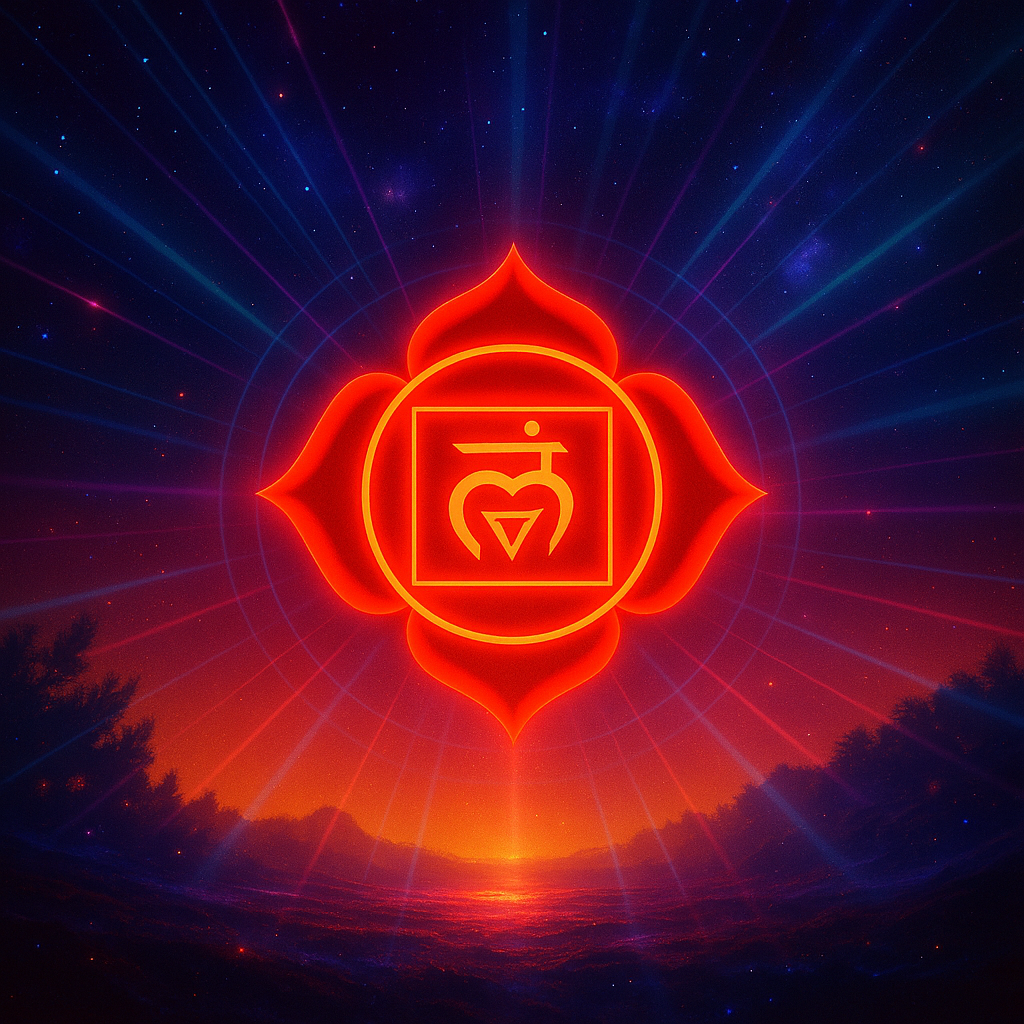
Root Chakra Harmonizer
AmbientAnxietyBinaural BeatsBrain/Body EntrainmentChakraDepressionEmotional BalanceEnergyInstrumentalMeditationMental HealthNew AgeOrgan HealthSleepStressStudy01:02:362025
Audio Ayuveda Therapy
Energetic Anatomy: In both yoga and Ayurveda, chakras are seen as vital energetic centers within the body, influencing physical, mental, and emotional well-being.
Bridge Between Layers: In Ayurveda, chakras are seen as a connection point between the different layers of the being, including the physical, energetic, mental, emotional, intellectual, and spiritual bodies.
Diagnostic and Treatment Tools: Knowledge of the chakras is employed in Ayurvedic diagnostics and treatments. Practices like yoga, pranayama, dietary adjustments, and other therapies are utilized to balance the chakras.
Correlation with Doshas: Each chakra is linked to various physical organs and emotional states, which, in turn, are connected to the three doshas (Vata, Pitta, and Kapha) in Ayurveda. An imbalance in a chakra may be linked to an imbalance in the corresponding dosha.
In essence, Ayurveda uses the chakra system as a framework to understand and address imbalances in the body’s energy flow, contributing to its holistic approach to health and well-being.
In the Ayurvedic tradition, the root chakra, known as Muladhara, is considered the foundation of the chakra system. Its name translates to “root support” or “base foundation”.
Here’s a breakdown of the root chakra system in Ayurveda:
Location
- Physically, the Muladhara chakra is located at the base of the spine, in the pelvic region, between the perineum and the anus.
- Energetically, it’s the bottom of the energy system of the Nadi channels, which transport vital energy (Prana) throughout the body.
Associations
- Earth Element: It’s closely linked to the earth, representing grounding, stability, and our connection to the physical world.
- Color Red: Red symbolizes vitality, strength, and the primal life force connected to the root chakra.
- Survival and Security: The root chakra governs our basic needs for survival, security, and stability, including our ability to feel safe, connected, and supported.
- Kundalini Energy: It’s also considered the seat of Kundalini energy, a dormant spiritual force coiled at the base of the spine, waiting to be awakened.
- Organs: It’s associated with the lower body, including the legs, feet, bones, large intestine, lower back, pelvis, and rectum.
Balancing the Root Chakra
Maintaining a balanced Muladhara is crucial for overall well-being. Ayurveda offers several ways to achieve this:
Imbalances
- Diet: Consume grounding and nourishing foods like root vegetables (carrots, beets, potatoes) and red-colored fruits (strawberries, apples).
- Herbs: Ashwagandha is a grounding and nourishing herb that can be beneficial.
- Yoga: Practice poses that promote grounding and stability, such as Mountain Pose (Tadasana).
- Meditation: Focus your meditation on the base of the spine, visualizing a vibrant red light at the Muladhara.
- Mantra: Chant the seed mantra (Bija mantra) “Lam” to activate and balance the root chakra.
- Nature Connection: Spend time in nature, walk barefoot on the earth, and engage in outdoor activities.
- Lifestyle: Establish a consistent daily routine, prioritize self-care, and ensure financial stability and physical safety.
- Crystals: Use red jasper, hematite, garnet, black tourmaline, smoky quartz, bloodstone, obsidian, carnelian, tiger’s eye, or onyx to support the root chakra.
When the root chakra is unbalanced or blocked, it can lead to various physical and emotional symptoms, including anxiety, fear, insecurity, lower back pain, digestive issues, and a lack of grounding. Conversely, an overactive root chakra can manifest as anger, irritability, and aggression.
By understanding the importance of the Muladhara chakra and incorporating Ayurvedic practices into your lifestyle, you can cultivate a strong foundation for physical and emotional well-being, paving the way for further energetic and spiritual growth












Comment